
Science
Science courses at Roman Catholic High School instill students with the knowledge and critical thinking skills necessary to understand the physical world and our place in it.
In addition to academic rigor and preparation for STEM-focused fields, our science curriculum develops within young men an appreciation of the wonder, complexity, and beauty of God’s creation.
Science Department Chair
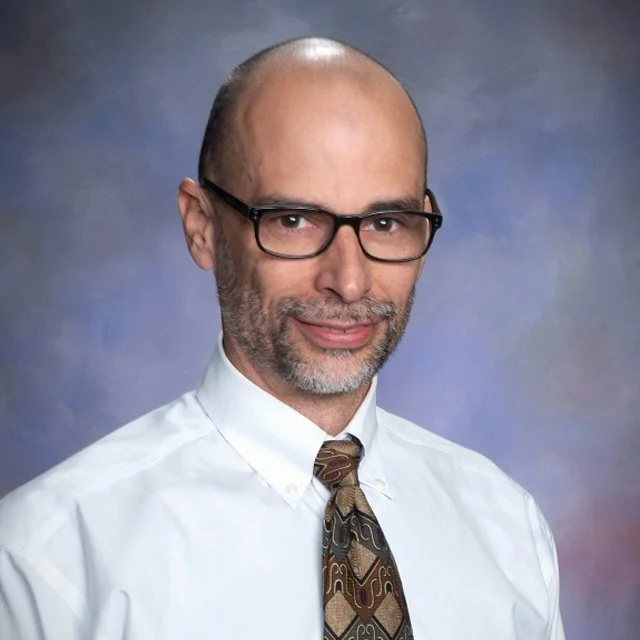
Mr. Kenneth Eaves
Science teachers
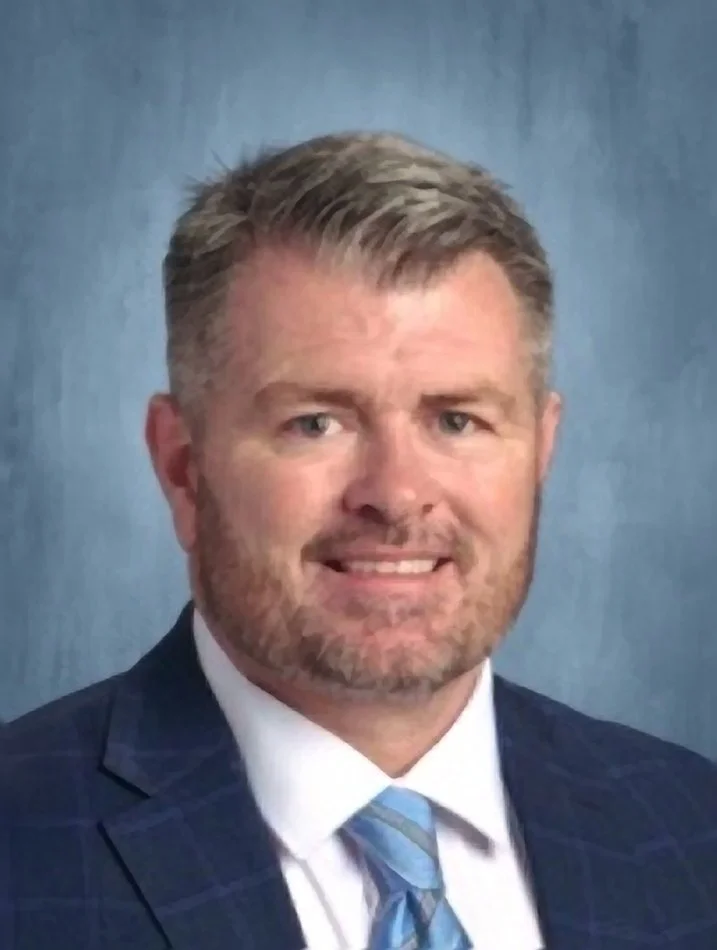
Mr. Brian Conroy '91
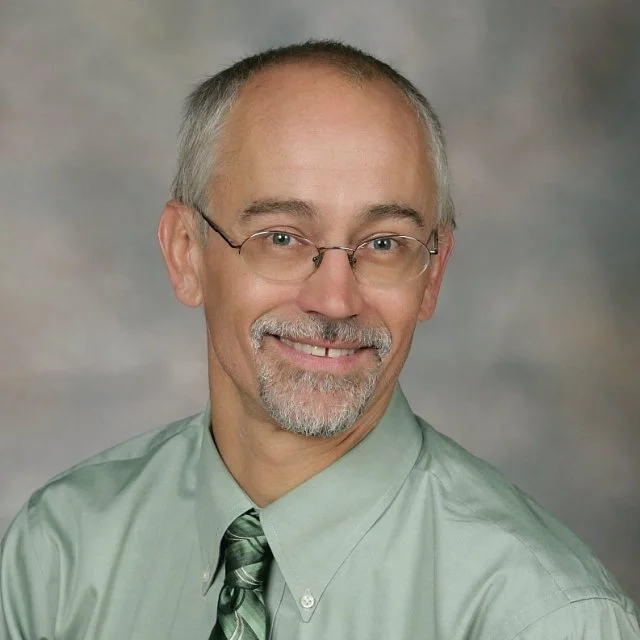
Mr. Richard Dietz
Mr. Kenneth Eaves
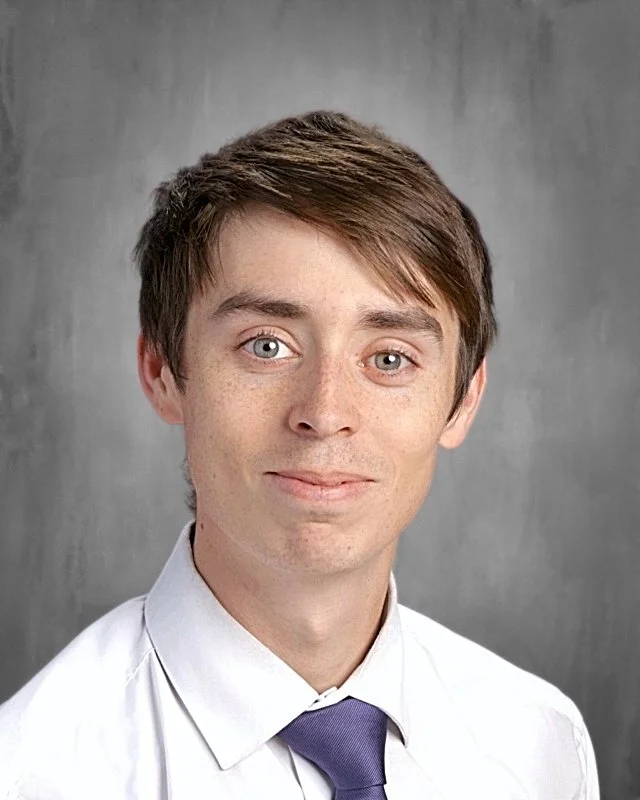
Mr. Jarrod Gibson

Mrs. Kristin MacLuckie
Science courses
Physics First
-
This course provides an investigative approach to the basic concepts of physics. Topics include the metric system, the laws of motion and factors affecting motion, forces, use of forces, simple machines, the nature of matter, electricity and magnetism, simple circuits, energy, the ecology of energy, sound, light, lenses and mirrors, and research on current events in science. Many topics require use of simple algebra and a simple calculator. Lab investigations and demonstrations are included to provide hands-on experience for increased understanding of the various concepts. The College Prep course has enhanced pacing with the content and is more reading and writing intensive.
Biology
-
This advanced placement course is designed for honors juniors and seniors, and aims to provide the students with the conceptual framework, factual knowledge, and analytical skills necessary to deal critically with the rapidly changing science of biology. Emphasis is on developing and understanding principles of chemistry and physics as they apply to the area of biology. Students will develop analytical and critical thinking skills. Students will grasp science as a process rather than an accumulation of facts. All students are required to take and pay for the Advanced Placement Examination.
-
This course offers a comprehensive investigation of living systems. It emphasizes both the similarities and the uniqueness of living things as well as the social implications of modern biology, microbiology, molecular biology, heredity, and genetics. There will be more stress placed upon the biochemistry of living systems such as ecology, ecosystems, evolution zoology, botany and human biology. This course will also develop general scientific principles through laboratory investigations, which are an integral part of this course. Students will be required to read and follow lab procedures, as well as write comprehensive laboratory reports.
-
This course provides a view of the world of living things, emphasizing the social implications of biology and an appreciation of life. Topics include cellular biology and genetics, ecology, and evolution. There is less stress placed upon the chemistry of living systems and more direction given toward the development of general biochemical concepts. Students will be required to read and follow lab procedures, as well as to write comprehensive lab reports.
Chemistry
-
The course provides a survey of various fields of chemistry, developing a solid foundation of fundamental laws and principles through a problem-solving approach. Topics include a general background and history of chemistry, the mathematics and language of chemistry, chemical kinetics, atomic and molecular structure, periodic law and its application, properties of gases, and the universal gas law.
Students are required to write comprehensive laboratory reports. A scientific calculator is required. Note that signing up for the course does not guarantee acceptance.
-
This course is focused on the study and investigation of the structure of matter. Thus, the course begins with the study of matter in terms of composition, classification, chemical reactions, the Periodic Table, and periodic properties. The course also includes the mole concept, stoichiometry, oxidation-reduction and the gas laws.
Laboratory investigations are offered to enhance the different concepts taught in chemistry by providing students with the opportunity to discover, to analyze problems, and to use different forms of laboratory techniques. Students are required to write comprehensive laboratory reports and a scientific calculator is required. The College Prep course has enhanced content pacing and is more reading and writing intensive.
Physics
-
This is an intense course that offers a highly mathematical approach to the principles of physics. Trigonometry and algebra are used extensively for solving physics problems on topics including Newtonian mechanics, wave energy, optics, thermal energy, electricity, magnetism and simple circuits.
Regular research is required on recent and current events in physics. One major project with comprehensive research and visual aids is required each semester. Frequent laboratory investigations and classroom demonstrations enhance the understanding of concepts. Students maintain lab manuals and periodically write/type formal lab reports. Extensive use of computer-based research, calculator-based experiments, and PowerPoint presentations fill out the course. Scientific calculators or apps are required for the course
Anatomy & Physiology
-
This course corresponds to a college seminar class on the anatomy and physiology of the human body. Classes consist of student discussions and teacher clarification of the structures and functions of the human body from the most basic cells to the most complicated systems. Integral to the course are formal research and student presentations, which require the use of technology, such as the web, PowerPoint, and other audio-video equipment. Frequent lab investigations and dissections enhance student understanding. All labs require formal write-ups in a lab manual. Occasional field trips round off the course.
Astronomy
-
The course is a general introduction to contemporary astronomy, giving special attention to exciting discoveries of the past few years. Topics include the planets, the sun, concepts of time and scale, asteroids, meteors and comets, the Apollo missions, the Hubble Space Telescope, past and present astronomers, as well as current events. Documentary films and online discussions are utilized as well. This College Prep course has enhanced pacing, and is reading and writing intensive.
Engineering
-
This introductory course is provided for upperclassmen pursuing a future in an engineering field. Students will learn about different engineering fields including mechanical, civil, electrical, and technology, and how they connect and work together. Topics also include the history of engineering in Philadelphia. Students hear lectures from a military engineering college professor in a video lecture series.
Half of the course includes hands-on practice with 3D computer-aided design software SOLIDWORKS. Writing assignments and mechanics of equilibrium are an intense part of this course. Several field trips are planned for students to connect to engineering outside the classroom.